About Us
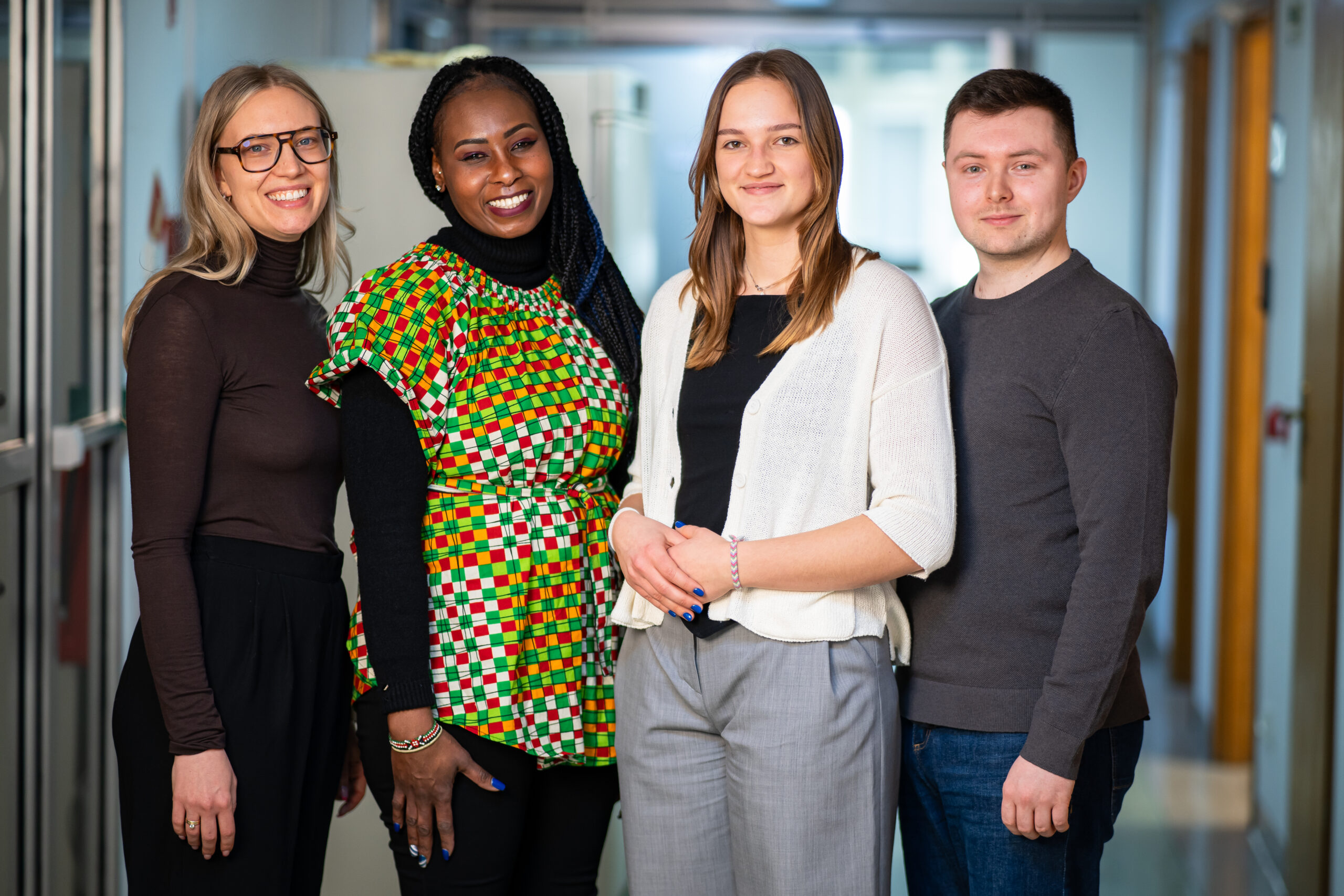
Team
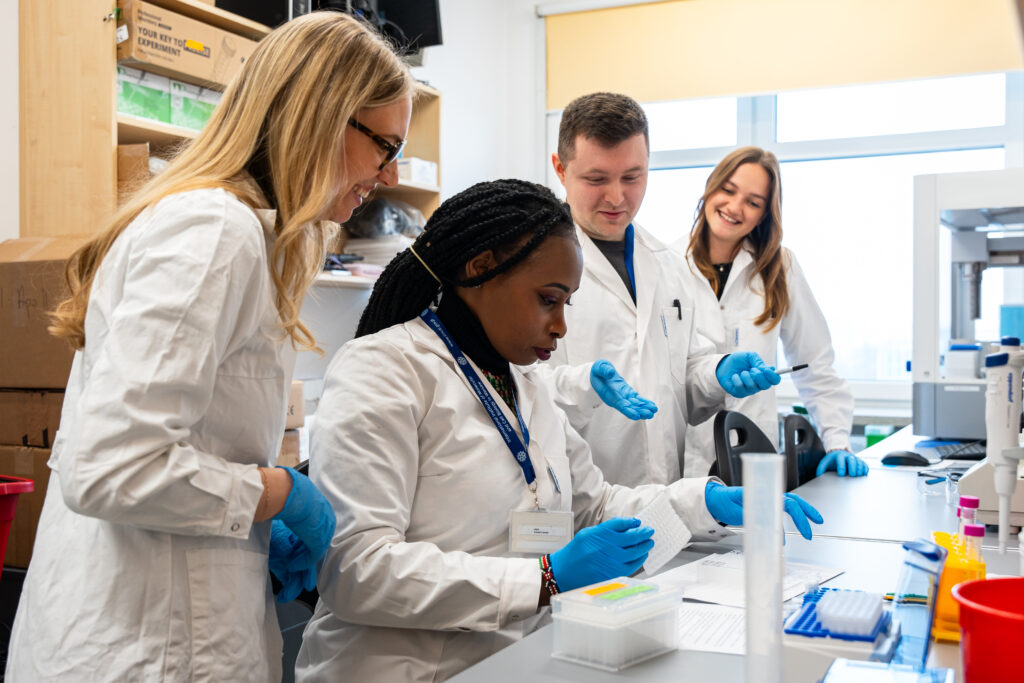
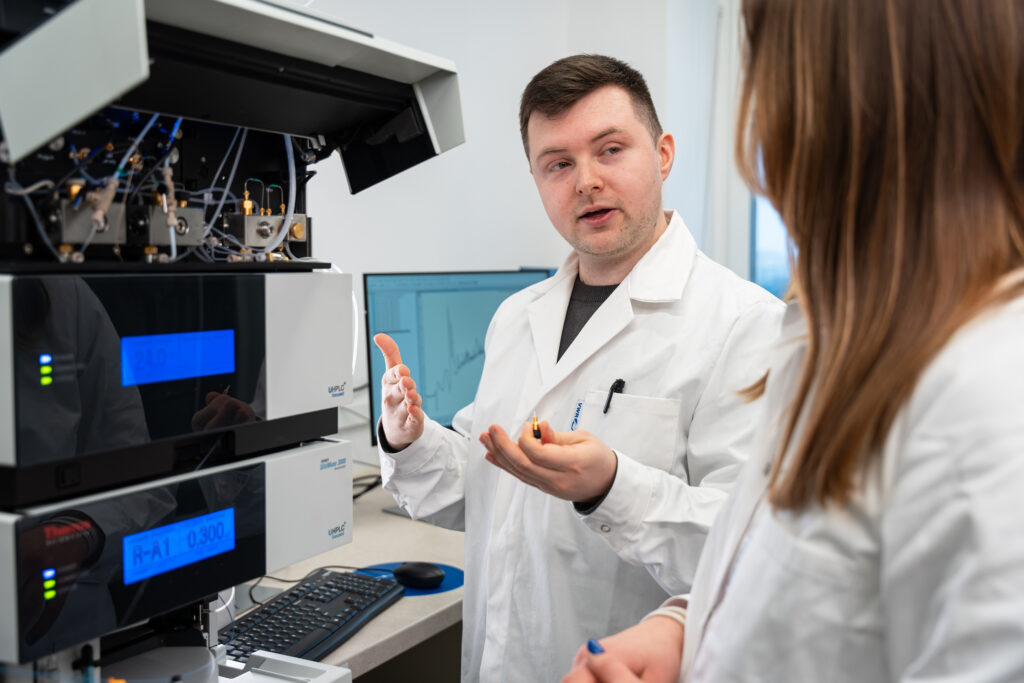
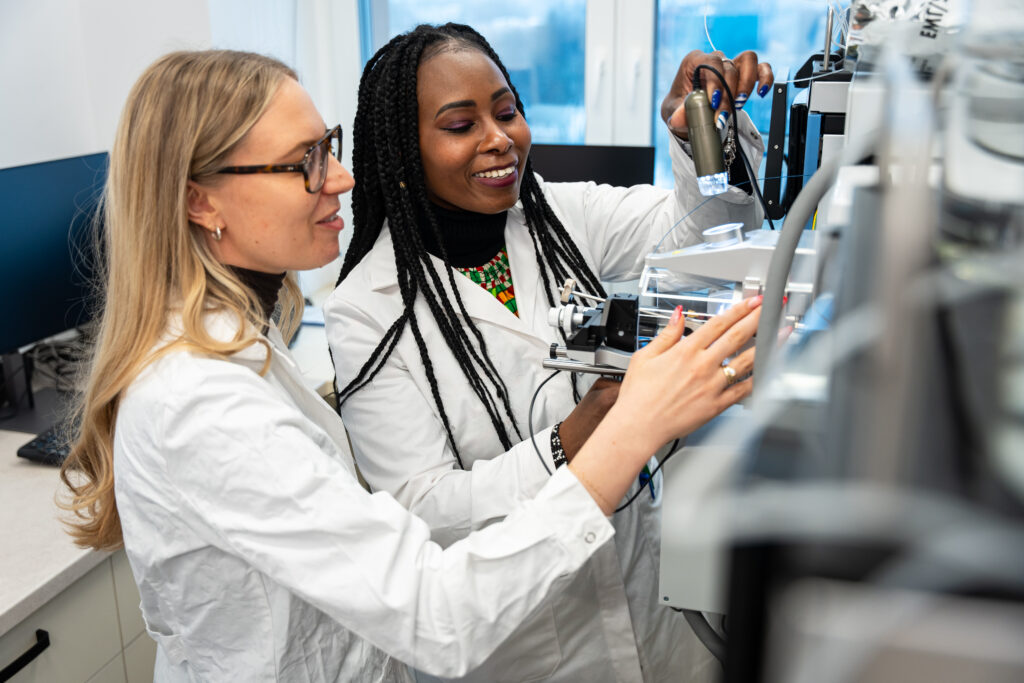
We are a diverse team with experience across different fields of mass spectrometry and chromatography as well as a variety of biological applications.
The MSF is an academic core facility that is part of the IN-MOL-CELL infrastructure housed at the International Institute of Molecular and Cell Biology (IIMCB) in Warsaw, Poland, where you can find us in rooms 101A and 409. We provide services for research groups at IIMCB, academic institutions in Warsaw and beyond, and industry partners in the greater biotech sphere.
It is great to meet you and hear about your needs – let us introduce ourselves!
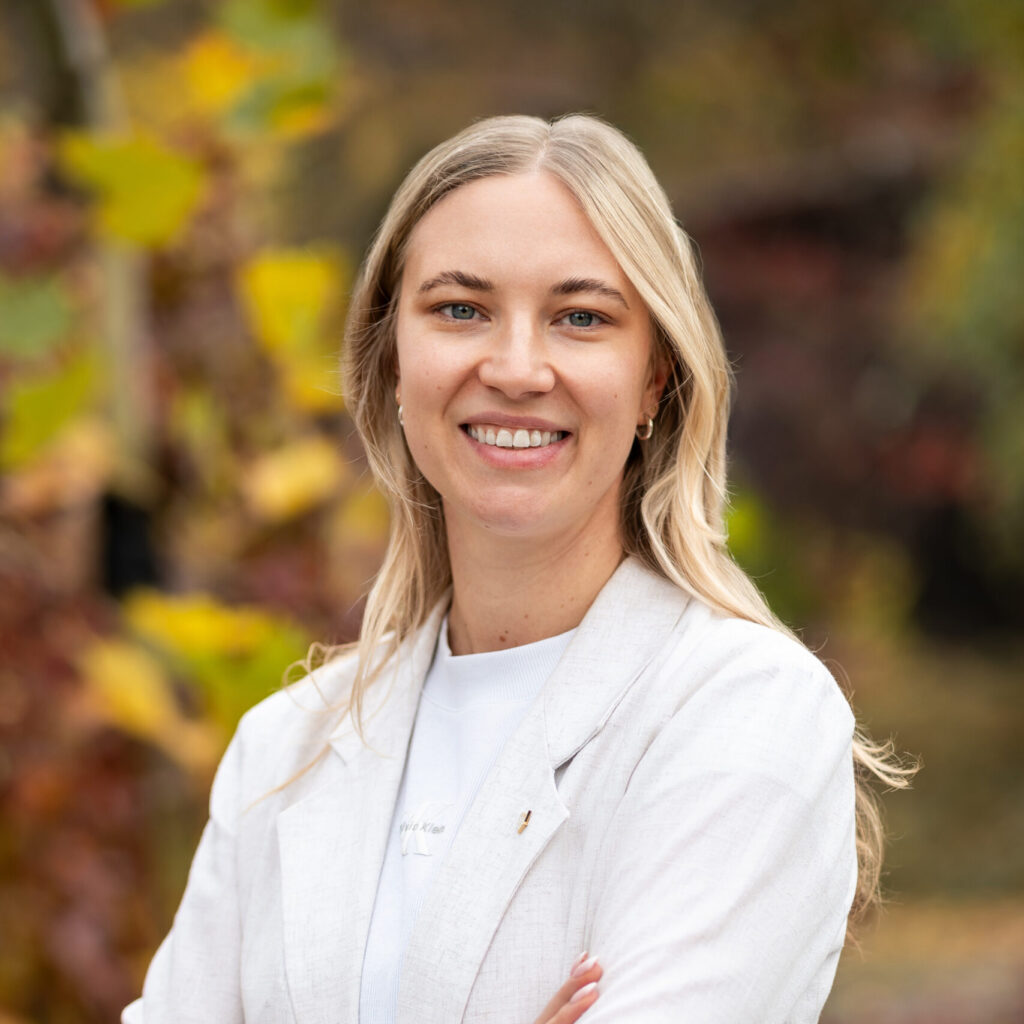
Vanessa Linke
Head of the Facility
More
Vanessa has led the facility since its establishment in 2025. Originally from Germany, she studied chemistry at Justus Liebig University Giessen, where she developed her interest in mass spectrometry through work with ToF-SIMS and MALDI-MS imaging. She earned her PhD in Analytical Chemistry from the University of Wisconsin–Madison under the supervision of Joshua J. Coon focusing on discovery lipidomics and collaborative multi-omic research. She later joined the laboratory of Agnieszka Chacińska at IMol PAS to study mitochondrial biogenesis and completed a research stay with Albert J. R. Heck at Utrecht University, further strengthening her expertise in advanced mass spectrometry. Outside the lab, Vanessa enjoys gardening and spending time outdoors with her family and dog.
Google Scholar
LinkedIn
ORCID
Email Vanessa
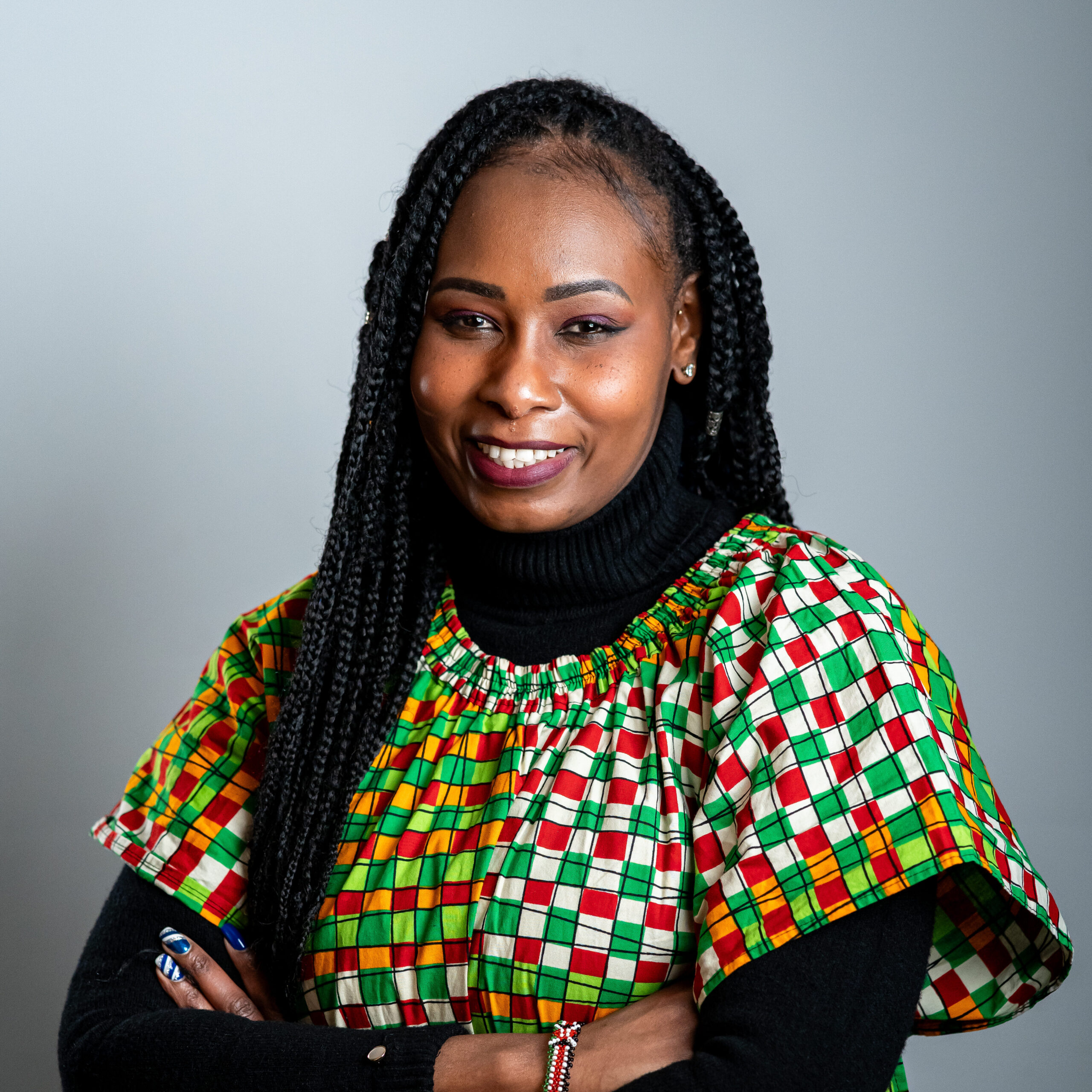
Linda W. Maina
Technology Specialist
More
Linda joined the facility in early 2026. Originally from Kenya, she studied Analytical Chemistry at the University of Nairobi, where she developed a strong foundation in chromatographic and spectroscopic techniques. Linda then worked as an analytical chemist and national food safety auditor at the Kenya Plant Health Inspectorate Service (KEPHIS), where she developed and implemented chromatographic methods for pesticide residue and contaminant analysis using LC- and GC-MS/MS to support food safety monitoring and regulatory compliance for agricultural exports. During her PhD research in nuclear chemistry at the Institute of Nuclear Chemistry and Technology in Warsaw, she further expanded her expertise in advanced analytical instrumentation, including mass spectrometry and radiochemical techniques for the analysis of environmental and industrial materials. She also gained experience in the pharmaceutical industry in R&D and as a Quality Assurance Manager. Outside the lab, Linda enjoys challenging mountain climbs that push her limits and test her endurance, and spending time in the gym.
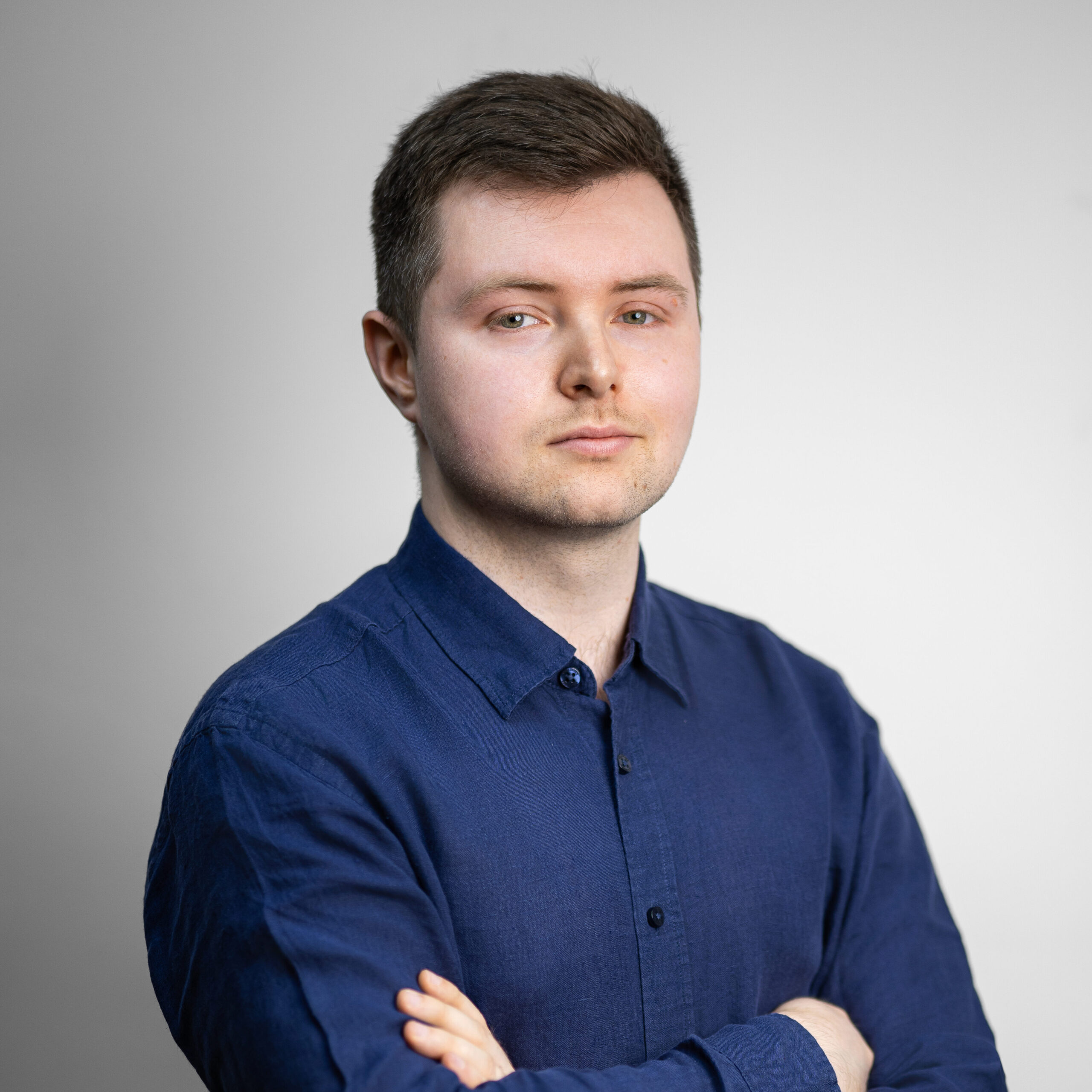
Marcin Tymiński
Technology Specialist
More
Marcin joined the facility in late 2025. He is a biologist with a background in the molecular physiology of nitro-oxidative stress in plant systems. He studied Experimental Biology at the Warsaw University of Life Sciences, focusing on how reactive nitrogen species can mitigate the harmful effects of seed ageing. Over the years, he developed strong wet-lab skills and gained experience applying a wide range of analytical techniques to address scientific questions. During his PhD research, Marcin developed a strong interest in proteomics and gained experience in MALDI-TOF MS protein identification and chromatography. He continues to expand his expertise through courses in mass spectrometry, metabolomics, and data analysis.
Outside the lab, Marcin enjoys watching theatre, walking in the woods, and exploring new cuisines while traveling.
Google Scholar
LinkedIn
ORCID
Email Marcin
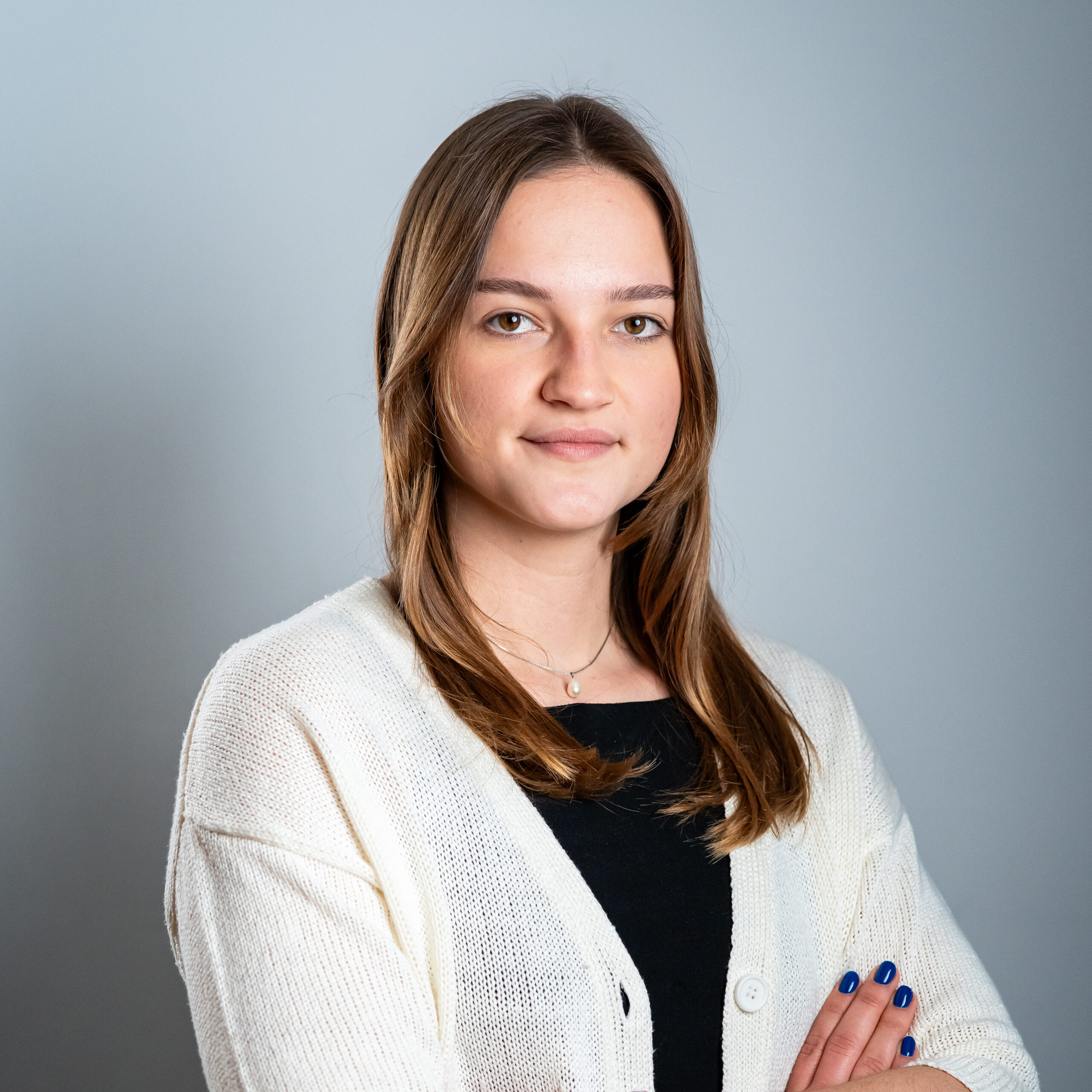
Zuzanna Grochowska
Alumna
More
Zuzanna joined the facility for an internship in the first half of 2026. She comes from Warsaw and has a background in molecular biology. Zuzia earned her bachelor’s degree at the University of Maastricht in the Netherlands, where she developed an interest in mass spectrometry. She completed an internship at the Maastricht MultiModal Molecular Imaging Institute in Ron Heeren’s research group, where she worked on spatial lipidomics using MALDI-MS imaging and LC-MS. When not in the lab, Zuzia enjoys outdoor activities, such as cycling, snowboarding and kitesurfing.
Instrumentation
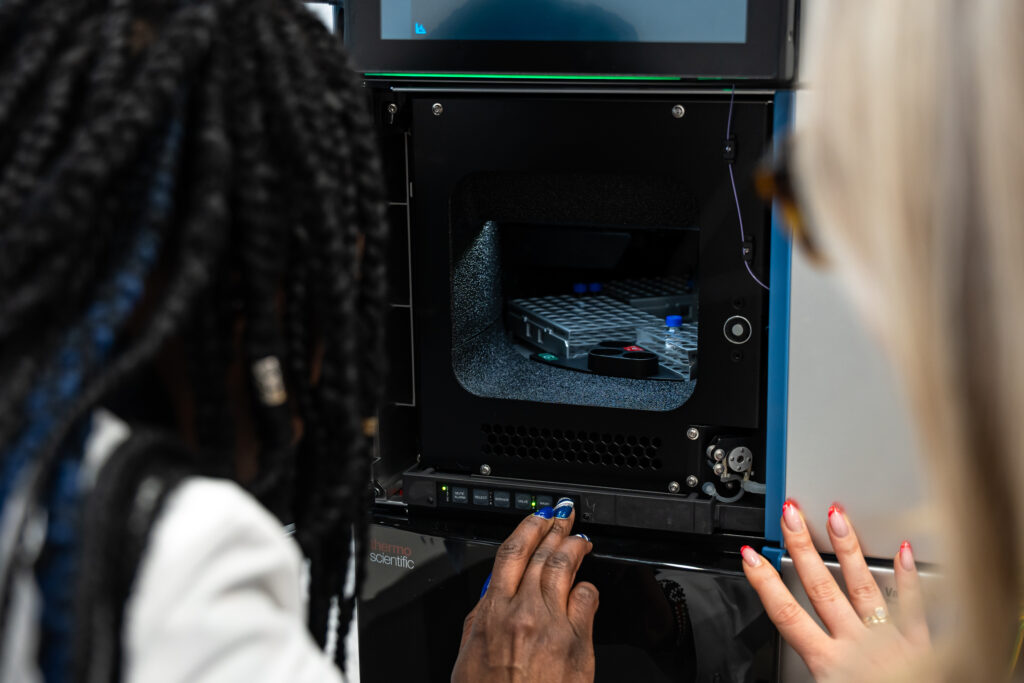
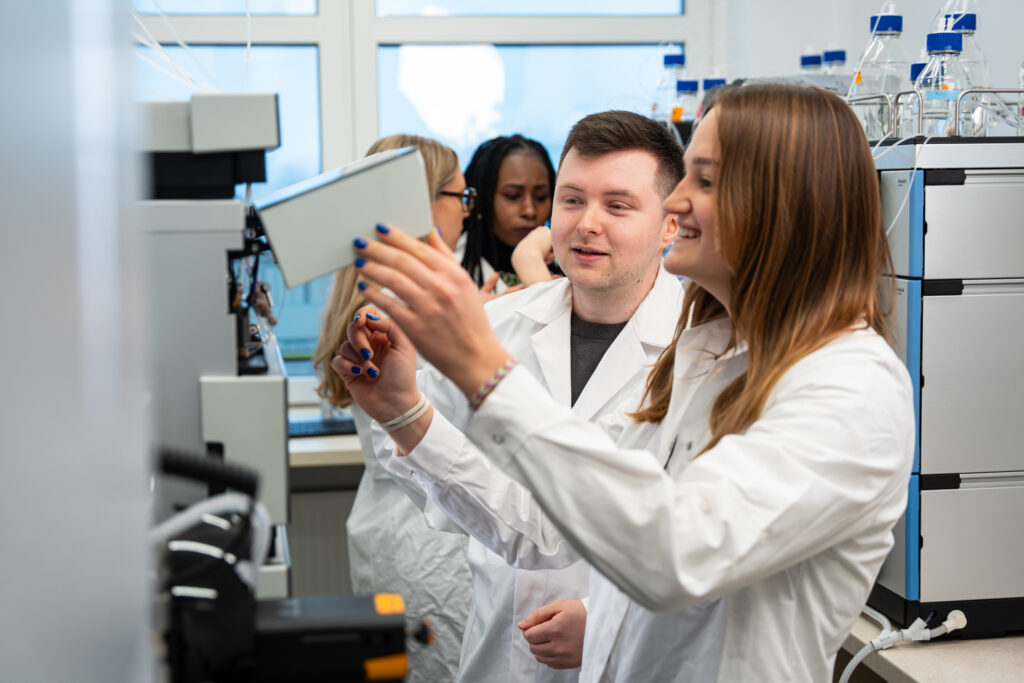
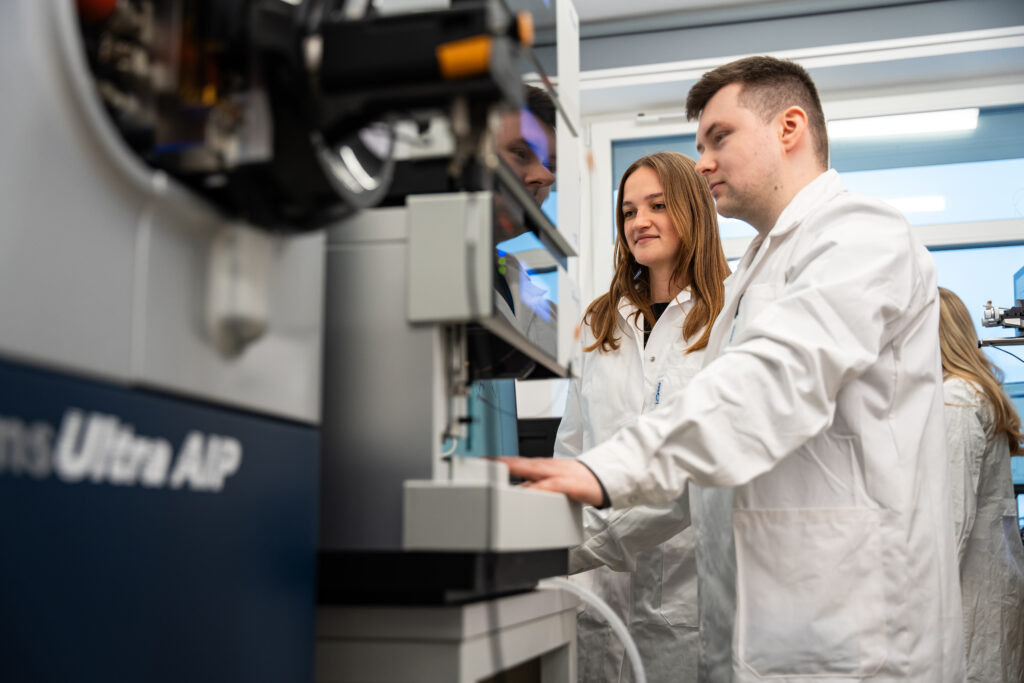
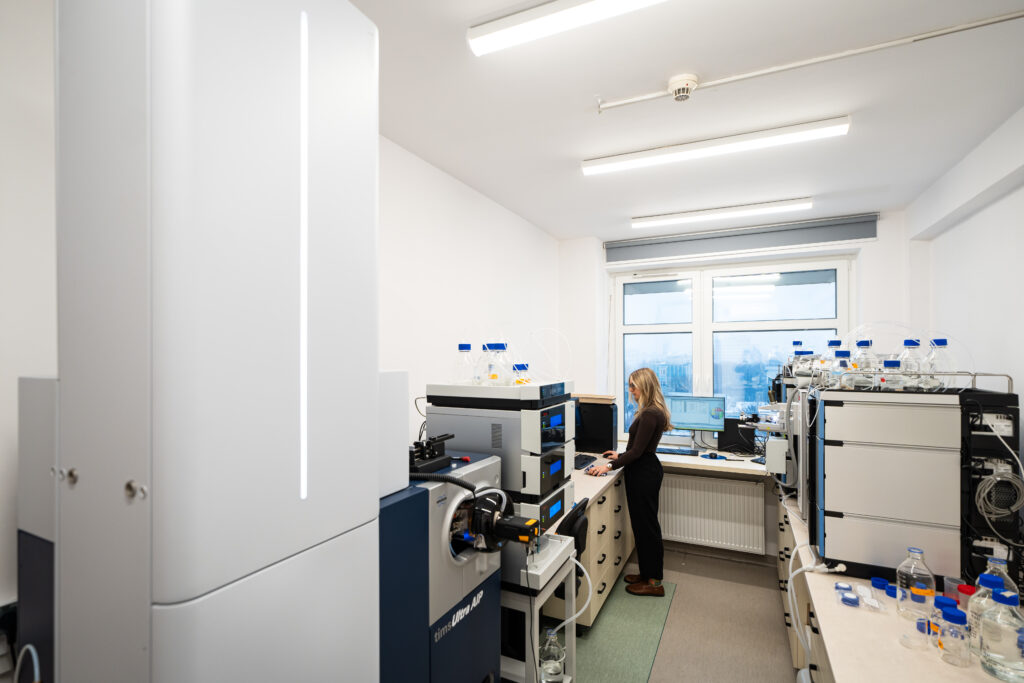
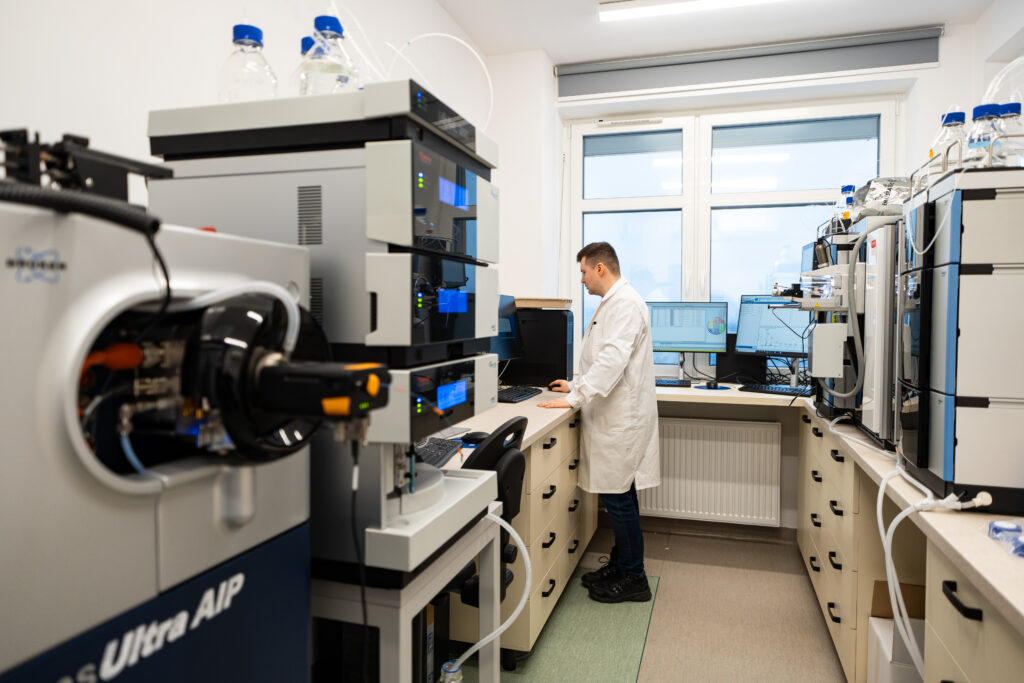
We work with cutting-edge mass spectrometers (MS) coupled to liquid chromatography systems (LC).
For data generation, we utilize two high-speed, ultra-sensitive and versatile mass spectrometers with high-resolution analyzers, alternative fragmentation techniques (CID/ETD/EThcD), and high mass ranges, enhanced by ion mobility modules (TIMS/FAIMS). Depending on the application, the mass spectrometers are coupled to one of three nano-LC or UHPLC chromatography systems. Our laboratories are located on the sixth floor of the institute.
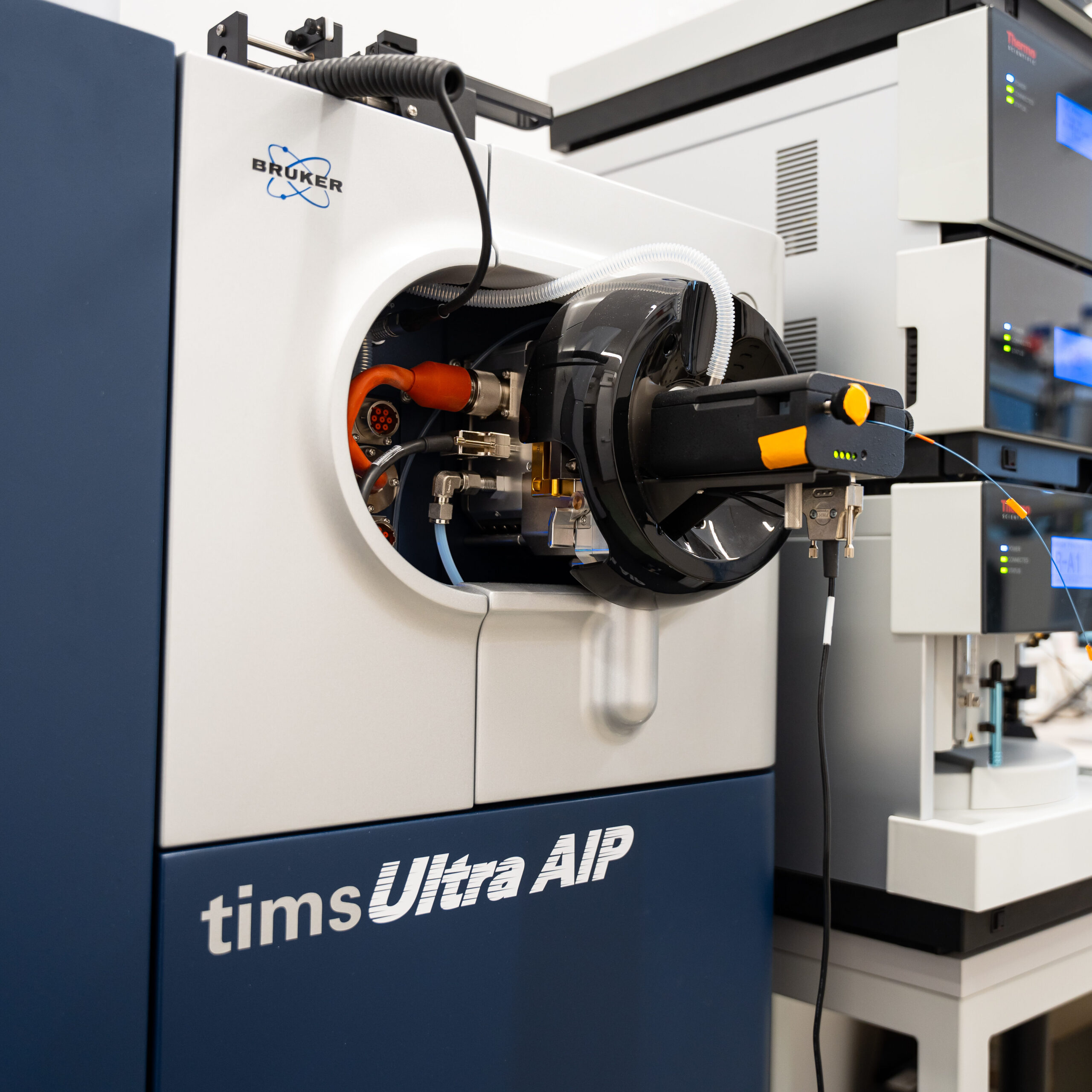
Bruker timsUltra AIP
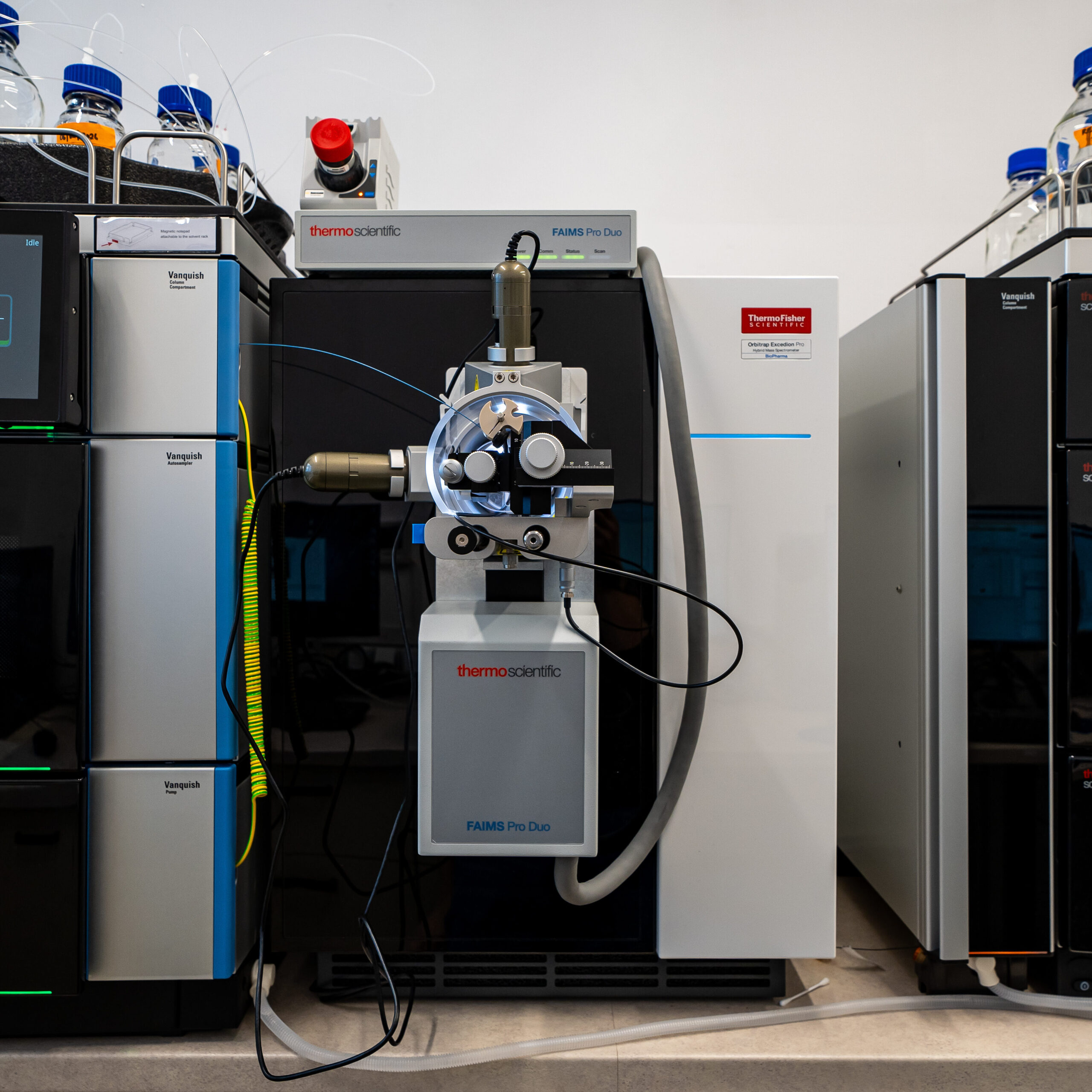
Thermo Fisher Scientific Orbitrap Excedion Pro BioPharma
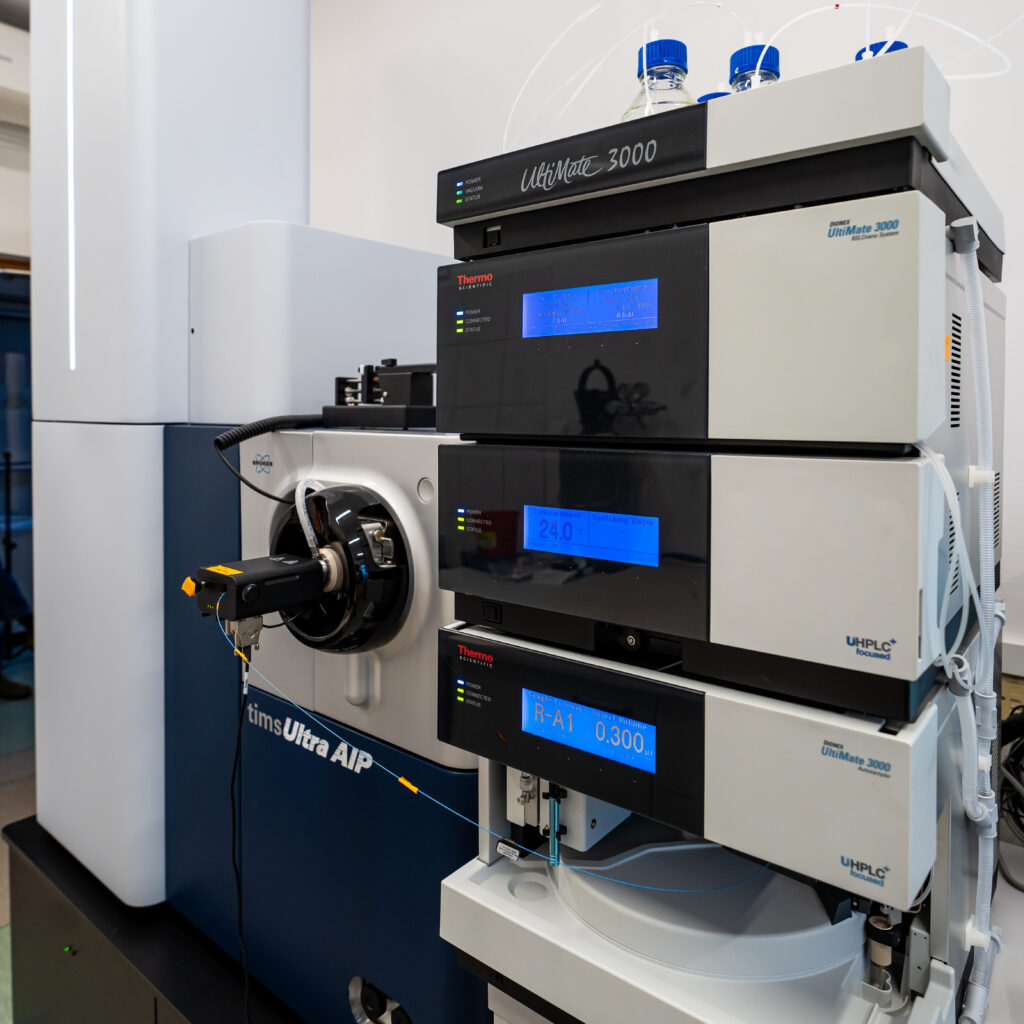
UltiMate 3000RSLC
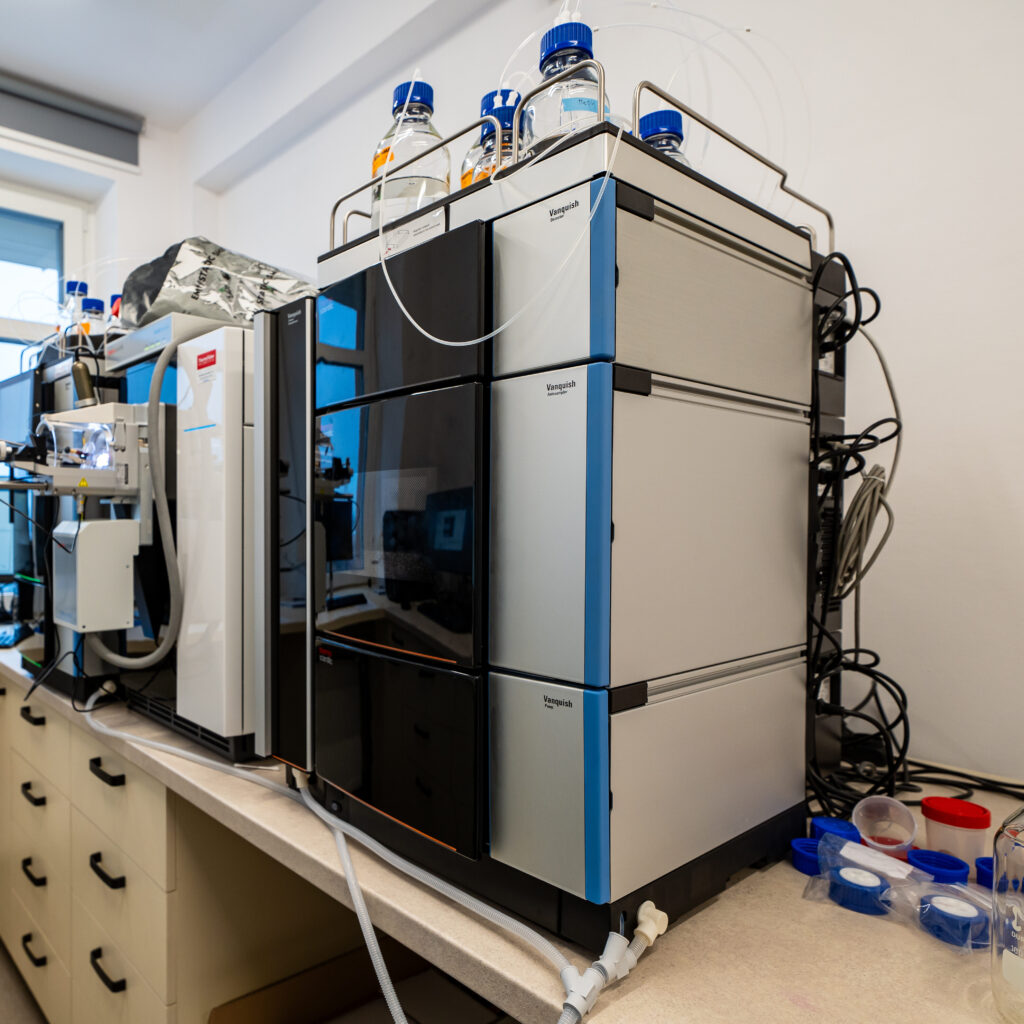
Vanquish Horizon UHPLC
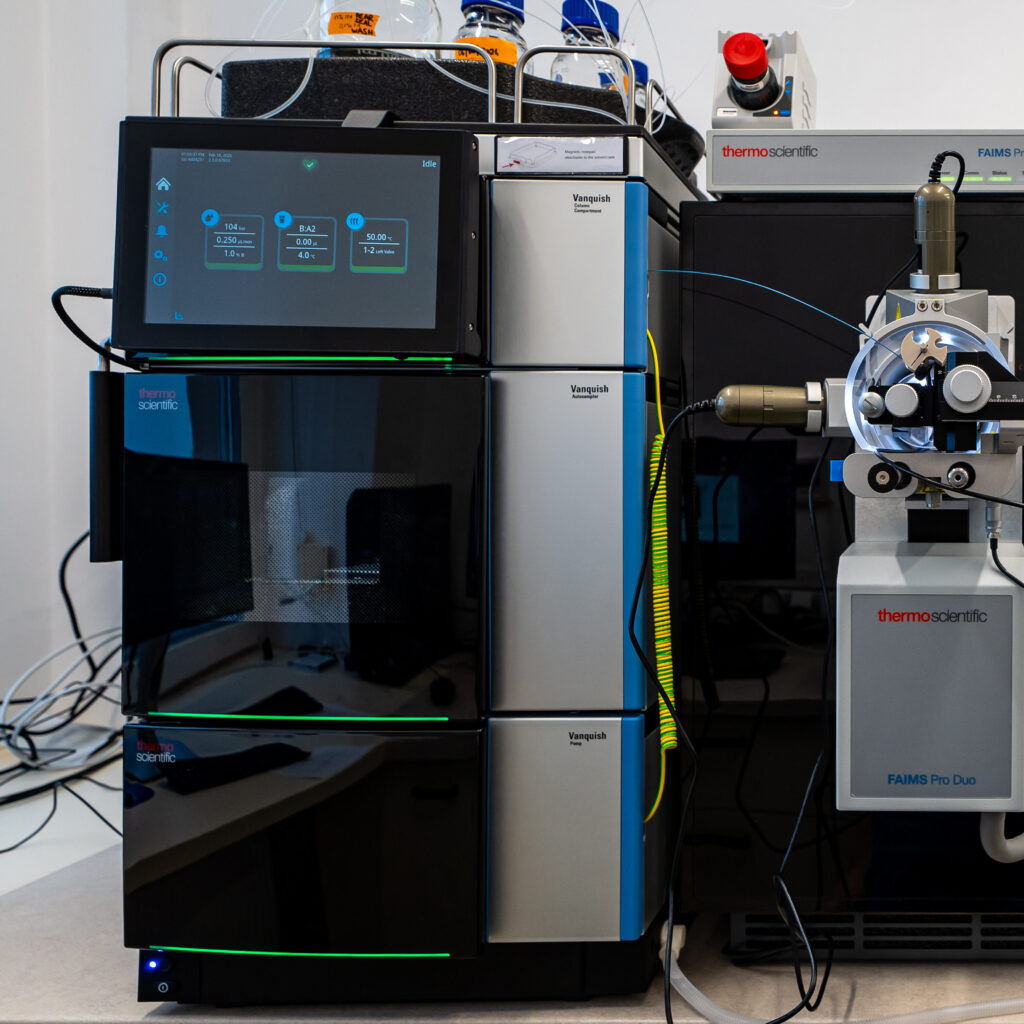
Vanquish Neo nano-LC